

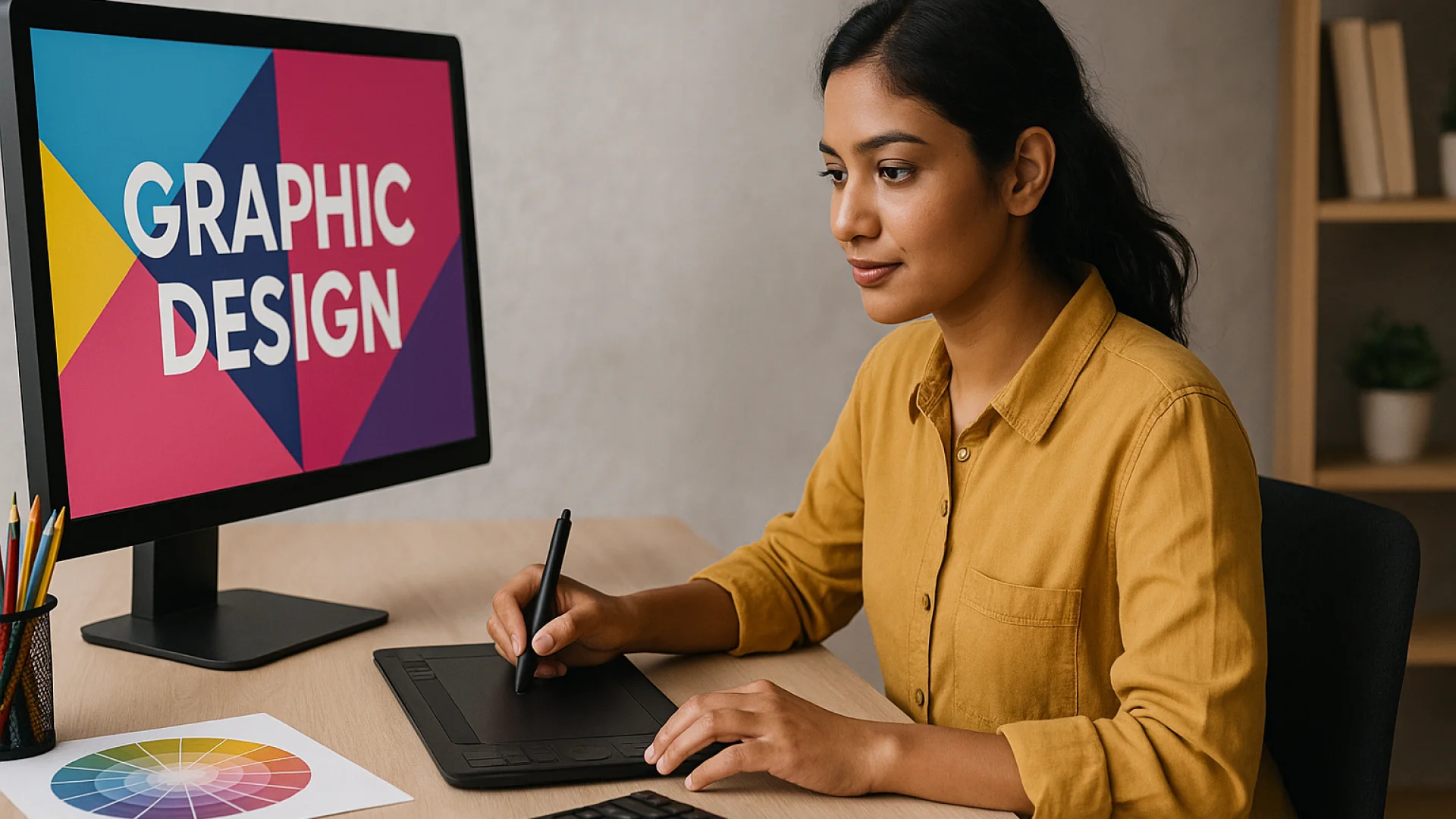
Graphic Design Basics: Beginner Course in Pakistan – UDM
Welcome to the vibrant world of graphic design! If you’ve ever flipped through a magazine, scrolled through social media, or even noticed a billboard while driving, you’ve witnessed the magic of graphic design in action. Graphic Design Course for Beginners But what exactly is graphic design? At its core, graphic design is the art of visual communication—transforming ideas into visually appealing content.
In today’s digital landscape, effective graphic design has become crucial for individuals and businesses alike. In Pakistan, where the market is rapidly evolving, the demand for skilled graphic designers is higher than ever. Whether you’re planning to launch a brand, need to create eye-catching marketing materials, or simply want to explore your creative hobbies, mastering the basics of graphic design is your gateway to success.
In this beginner course offered by UDM, you’ll not only delve into the fundamentals, but you’ll also discover practical skills that are essential in the graphic design industry. Ready to embark on this creative journey? Let’s dive in!
Why Choose a Graphic Design Course for Beginners?
In an age where self-learning feels more accessible than ever, you might wonder: why enroll in a structured Graphic Design Course for Beginners rather than utilizing free online resources? Here’s the scoop:
- Structured Learning Path: A formal course provides a curated learning path that builds your skills progressively. Instead of wandering aimlessly through tutorials, you’ll know exactly what to learn next.
- Skill Development: You will gain proficiency in powerful tools, particularly the Adobe Creative Suite (Photoshop, Illustrator, InDesign), which are industry standards. Your instructor will guide you through practical projects, ensuring you not only learn theory but apply it effectively.
- Career Opportunities: With an increasing number of brands recognizing the power of design, the demand for graphic designers in Pakistan is soaring. A course can lead you to various career paths, including:
- Freelance graphic designer
- In-house designer for brands
- Brand identity specialist
- Marketing and advertising roles
- Networking: An organized course opens doors to a community of like-minded individuals. You’ll meet peers and professionals, paving the way for collaborative projects and shared learning experiences.
Key Concepts in Graphic Design
Graphic design is built on a foundation of essential concepts that every aspiring designer should master. Let’s break down some of these core components:
Elements of Design
Understanding the elements of design is fundamental. Here are some key elements you’ll explore:
- Line: The basic building block of design; lines can shape and define spaces.
- Shape: Geometric or organic forms that create visual interest.
- Color: Learning about color theory is vital for effective visual communication and mood setting.
- Texture: Adding depth and feeling to your designs.
Principles of Design
Equally important are the principles of design that guide how these elements interact:
- Balance: Ensuring visual stability in your compositions.
- Contrast: Enhancing readability and drawing attention to focal points.
- Alignment: Creating a sense of organization in your designs.
Typography Basics
Typography can make or break a design. Understanding the different types of fonts and how to use them effectively includes:
- Font Types: Serif, sans-serif, script, and display fonts.
- Readability: Importance of legibility and how font size and spacing affect clarity.
- Choosing Typefaces: Matching fonts to the personality of your project enhances the storytelling aspect of your design.
Tools of the Trade
As a graphic designer, the right tools can significantly boost your efficiency and creativity. Here are some essentials:
Software Overview
Becoming familiar with graphic design software is crucial. Here’s a list of must-have tools:
- Adobe Photoshop: The go-to for photo editing and compositing.
- Adobe Illustrator: Perfect for vector designs, logos, and illustrations.
- Adobe InDesign: Ideal for layout design, particularly for print media.
- Canva: A great free alternative for beginners, helpful for quick designs and presentations.
Hardware Recommendations
Investing in the right hardware can also enhance your design process. Consider these:
- Graphic Tablets: A Wacom tablet or similar device allows for precision drawing.
- Computers: A reliable laptop or desktop that can handle graphic design software efficiently.
Online Resources
To supplement your learning, check out these valuable resources:
- YouTube: Plenty of tutorials available at no cost.
- Skillshare and Udemy: Online platforms offering structured courses on graphic design.
- Adobe’s own tutorials: Great for mastering software specifics.
Course Curriculum Breakdown
Now, let’s delve into what the UDM Graphic Design Course for Beginners entails:
- Module 1: Introduction to Graphic Design
- Overview of design principles and key software.
- Module 2: Understanding Color Theory
- Applying color effectively to evoke emotions and convey messages.
- Module 3: Creating Logos and Branding
- Essentials of brand identity; creating memorable logos that resonate with audiences.
- Module 4: Layout Design and Composition
- Techniques for arranging elements cohesively to drive attention and purpose in design.
- Module 5: Portfolio Development
- Guidance on curating a strong portfolio showcasing your best work.
Throughout the course, you’ll undertake practical assignments designed to build real-world skills. Whether it’s designing a flyer or developing a logo for a mock business, every project will contribute to your growth.
Real-World Applications and Case Studies
Seeing the broader impact of graphic design helps solidify your motivation. Here are examples of how graphic design plays a pivotal role:
Success Stories in Pakistan
- Successful Designers: Many Pakistani designers have gained international recognition, showcasing that talent in this field can lead to fruitful careers.
- Business Innovations: Companies are leveraging graphic design to communicate their brand stories and engage customers—which can dramatically influence sales and customer loyalty.
Case Studies
- Impact on Engagement: Research has shown that businesses with well-designed graphics experience higher engagement rates. For instance, companies with clear, appealing visual identities across platforms tend to attract more followers and convert leads.
You might consider how you can bring your own unique vision to life, as many of these successes stem from a passion for creativity combined with learned skills.
Kickstart your creative journey with the Graphic Design Basics: Beginner Course in Pakistan at UDM . This course is designed for aspiring designers who want to learn essential graphic design skills from scratch. You’ll get hands-on experience with industry-standard tools like Adobe Photoshop, Illustrator, and Canva, while understanding core design principles such as color theory, typography, and layout. Whether you aim to start a freelancing career, create stunning visuals for social media, or enhance your professional portfolio, this course gives you the foundational skills to succeed.
With expert guidance from UDM instructors, you’ll work on real-world projects including posters, logos, social media graphics, and branding materials. The course is flexible and online, making it accessible from anywhere in Pakistan. By the end of the program, you’ll gain confidence, practical experience, and a certificate of completion that showcases your new graphic design skills to potential clients and employers.
Building Your Graphic Design Portfolio
Your portfolio is your calling card in the design world. Here are key tips on how to build one:
- Curate Your Best Work: Include a variety of projects that showcase different skills and styles.
- Storytelling: Provide context for each piece—what challenges did you face? What was the brief?
- Presentation Matters: Use online platforms like Behance or Dribbble to display your portfolio professionally and attractively.
Trusted Resources and References
For those wanting to continue learning, check out the following:
- Online Platforms: Coursera and Udemy offer graphic design courses beyond the basic level.
- Books: “The Elements of Graphic Design” by Alex W. White is a great starting point.
- Industry Blogs: Websites like AIGA and Creative Bloq are excellent for staying updated on design trends.
Graphic Design Course for Beginners – Complete Module Breakdown
Module 1: Introduction to Graphic Design
Overview of graphic design principles and industry standards
Introduction to design tools: Adobe Photoshop, Illustrator, and Canva
Understanding design terminology and workflow
Setting up a creative workspace and project files
2: Understanding Color Theory
Basics of color psychology and emotional impact
Creating harmonious color palettes
Using color effectively for branding, web, and social media designs
Practical exercises on applying color to projects
3: Typography and Fonts
Principles of typography: hierarchy, readability, and alignment
Selecting and pairing fonts for different design purposes
Custom font creation and modification
Hands-on exercises creating text-based graphics
4: Creating Logos and Branding
Essentials of brand identity and visual storytelling
Designing memorable logos that resonate with audiences
Introduction to brand guidelines and consistency
Case studies of successful branding projects
5: Layout and Composition
Principles of visual hierarchy and balance
Grid systems and alignment techniques
Designing for digital and print media
Hands-on projects: posters, flyers, and social media posts
6: Image Editing and Manipulation
Basics of photo editing and retouching
Using layers, masks, and filters in Photoshop
Creating composite images and visual effects
Practical projects enhancing images for marketing materials
7: Social Media & Digital Graphics
Designing content for social media platforms
Creating banners, ads, and stories for Facebook, Instagram, and LinkedIn
Optimizing designs for web and mobile
Hands-on project: full social media campaign visuals
8: Portfolio Building & Final Projects
Assembling a professional portfolio showcasing your best work
Tips for presenting your designs to clients and employers
Completing a capstone project: branding, logo, and marketing material
Certificate of completion and career guidance
FAQs
What is this Graphic Design Basics course about?
This course teaches beginner-level graphic design skills, covering essential tools, principles, and techniques to start a design career.Who can enroll in this beginner course?
Anyone with an interest in graphic design, including students, professionals, or hobbyists, can join—no prior experience required.Which software will I learn in this course?
You will learn popular tools like Adobe Photoshop, Illustrator, and Canva for practical design projects.Is this course available online?
Yes, the course is offered online, allowing flexible learning from anywhere in Pakistan.How long does the course take to complete?
The course duration depends on your learning pace, but typically beginners complete it in 4–6 weeks.Will I receive a certificate after completion?
Yes, UDM provides a certificate upon successful completion of the course.Do I need a powerful computer to join this course?
A standard laptop or desktop capable of running design software is sufficient for beginners.Can I start freelancing after completing this course?
Yes, the course equips you with basic design skills to create projects, portfolios, and start freelancing.What kind of projects will I work on?
You will work on real-life projects like posters, social media graphics, logos, and branding materials.How can I enroll in this course?
You can enroll by visiting UDM’s website and registering for the Graphic Design Basics: Beginner Course.
Conclusion
Embarking on a journey into graphic design might be one of the best decisions you make for your personal and professional life. Enrolling in the UDM Graphic Design Course for Beginners provides you with structured learning, essential skills, and a pathway to exciting career opportunities.
If you want to get Our Services, visit our Contact Us page or message us directly on WhatsApp.
Because we believe in continuous growth, we have curated a selection of posts to help you master the digital world. Furthermore, visiting our Blog Page regularly will keep you updated on the latest industry shifts.


