

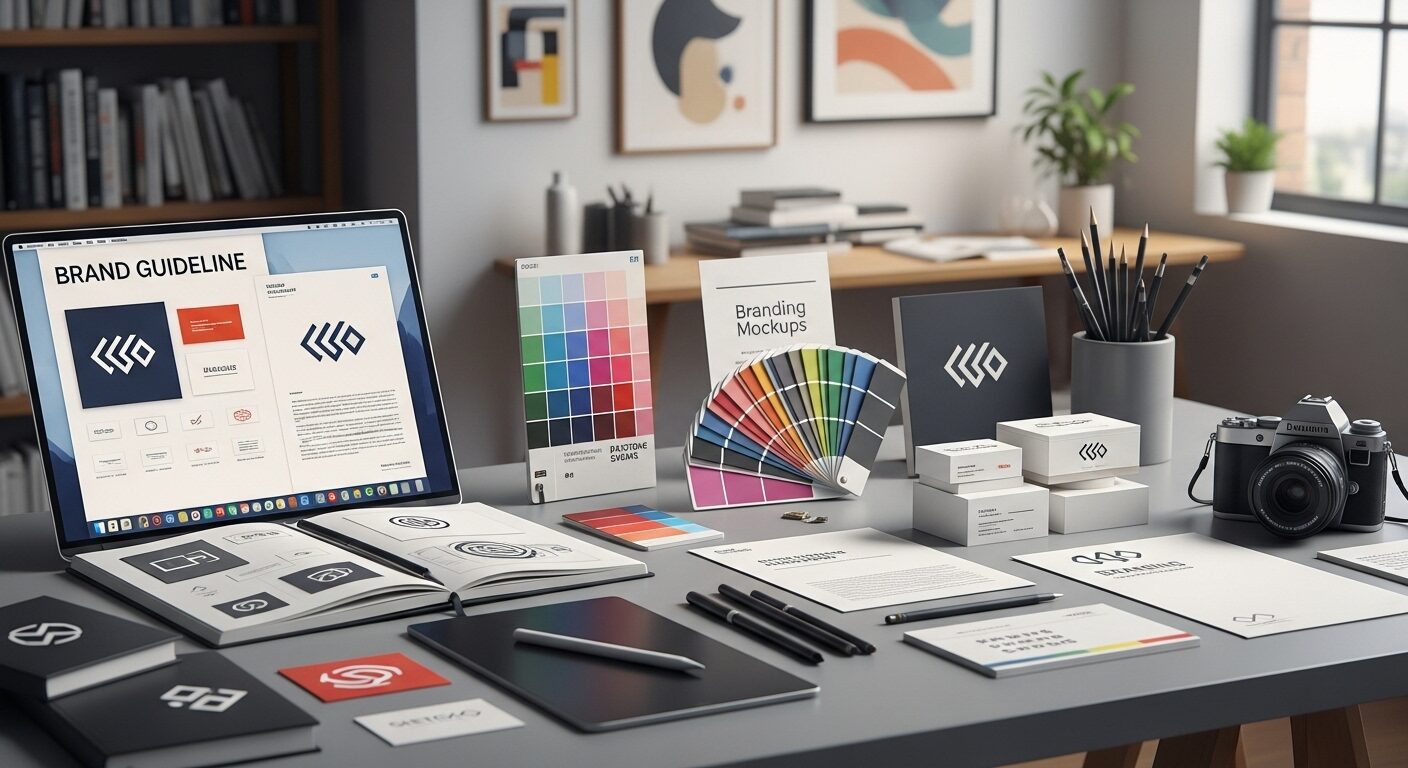
Brand Identity Design Process: A Comprehensive Guide
A strong brand identity is far more than just a logo; it represents the visual and emotional essence of a company. Moreover, it communicates values, personality, and purpose directly to the target audience. Therefore, understanding the Brand Identity Design Process is absolutely crucial for businesses aiming to establish a memorable and impactful presence in today’s competitive market. This process is a strategic journey, meticulously crafted to ensure every visual and communicative element aligns seamlessly with the brand’s core mission. Consequently, a well-executed brand identity fosters instant recognition, builds essential trust, and cultivates lasting loyalty among consumers.
The Foundational Stages of the Brand Identity Design Process
The journey toward a compelling brand identity begins long before any visual elements are actually created. Initially, it demands deep understanding and meticulous strategic planning. Hence, these foundational stages are undeniably paramount for success.
Discovery & Research: Unearthing the Core Insights
The initial phase of the Brand Identity Design Process involves extensive discovery and thorough research. During this critical stage, designers delve deeply into the client’s world, striving to understand their aspirations, challenges, and the broader market landscape. This comprehensive groundwork informs every subsequent decision.
- Client Brief & Goals: Firstly, a detailed client brief is absolutely essential. This foundational document meticulously outlines the project’s specific objectives, identifies the primary target audience, articulates the overarching brand vision, and defines the desired outcomes. Ultimately, it serves as an indispensable compass, guiding the entire design project.
- Market & Competitor Analysis: Furthermore, gaining a clear understanding of the competitive landscape is undeniably vital. Analyzing both direct and indirect competitors helps identify existing market gaps, pinpoint unique selling propositions (USPs), and uncover potential differentiators. This insightful research directly informs the brand’s strategic positioning.
- Audience Understanding: Crucially, knowing the target audience intimately is truly fundamental. Demographics, psychographics, specific needs, and distinct preferences are thoroughly explored to ensure the nascent brand identity resonates powerfully and effectively. Consequently, all subsequent design choices will be inherently audience-centric, maximizing impact.
Strategy & Direction: Charting the Course for Distinction
Following the intensive research phase, the focus meticulously shifts to defining the brand’s strategic direction. This pivotal stage skillfully translates initial insights into clear, actionable guidelines, ensuring a cohesive vision.
- Defining Brand Core: Vision, Mission, Values: The brand’s vision (where it aspires to go), its mission (what it fundamentally does), and its core values (what it unequivocally stands for) are precisely articulated. These foundational elements collectively form the philosophical backbone and ethical framework of the entire brand.
- Developing Brand Persona & Voice: Subsequently, a distinct brand persona is carefully crafted, imbuing the brand with human-like characteristics and an identifiable personality. This includes defining its unique voice—how it consistently communicates—whether that is formal, playful, authoritative, or deeply empathetic.
- Establishing Brand Positioning: Finally, brand positioning precisely defines how the brand is perceived within the market, especially relative to its competitors. It clearly highlights what makes the brand truly unique, desirable, and distinct. This strategic clarity then guides all subsequent design and communication decisions, ensuring alignment.
Creative Exploration & Design: Bringing the Brand Identity Design Process to Life
This particular phase is often the most visible and exciting part of the Brand Identity Design Process, where carefully gathered strategic insights are skillfully transformed into tangible, compelling visual assets. Indeed, creativity flourishes abundantly here, but it consistently remains anchored by the robust strategic groundwork laid in earlier stages.
Concept Development & Mood Boards
Before designers dive into specific design executions, the crucial stage of conceptualization begins. Designers frequently create detailed mood boards—curated collections of inspiring images, specific colors, interesting textures, and diverse typography samples—to visually represent the brand’s desired aesthetic and emotional tone. These boards serve as an excellent collaborative tool, facilitating clear communication with the client.
Logo Design: The Brand’s Enduring Icon
The logo is arguably the most recognizable and enduring element of any brand identity. The meticulous design process typically involves several key steps:
- Sketching & Ideation: Exploring a wide array of concepts and initial ideas, all meticulously based on the established brand strategy. This allows for broad creative exploration.
- Digitalization: Translating the most promising selected sketches into precise digital vector formats, ensuring scalability and versatility.
- Refinement: Iterating meticulously on shapes, lines, and proportions to guarantee both versatility and maximum visual impact. Ultimately, a strong logo should be inherently simple, easily memorable, highly versatile, perfectly appropriate, and enduringly timeless.
Typography & Color Palette: Setting the Visual Tone
Typography plays a crucial role in conveying personality and ensuring optimal readability. Designers carefully select font families that precisely align with the brand’s defined voice and guarantee consistent application across all communication touchpoints. Similarly, a thoughtfully chosen color palette evokes specific emotions and significantly contributes to instant brand recognition. Colors inherently carry psychological associations; therefore, their selection is a profoundly strategic decision, not merely an aesthetic one.
Imagery & Visual Language: Beyond the Logo Mark
Beyond the primary logo, a consistent visual language encompasses photographic style, illustration style, iconography, and various graphic elements. These integral components collectively reinforce the brand’s unique story and overarching aesthetic across diverse mediums. For instance, a brand might consistently opt for realistic, authentic photography, or perhaps a distinctive style of abstract illustrations, or even a proprietary set of custom icons, all contributing to a unified visual narrative.
Application & Systemization: Ensuring Brand Consistency
Once the core visual elements are firmly established, the focus meticulously shifts to applying them consistently across all brand touchpoints. This stage is absolutely critical for maintaining the brand’s integrity and ensuring a unified presence.
Brand Guidelines Development
A comprehensive brand guideline document is meticulously created at this stage. This invaluable “brand bible” precisely outlines how to correctly use every single element of the brand identity, including specific logo usage rules, exact color values, precise typography hierarchy, consistent imagery standards, and the appropriate tone of voice. This ensures unwavering consistency, regardless of who is implementing or communicating the brand.
Touchpoint Design
The developed brand identity is then expertly applied to various touchpoints, which are essentially any points of interaction between the brand and its diverse audience. These crucial points may encompass:
- Stationery: Professionally designed business cards, elegant letterheads, and cohesive envelopes.
- Digital Presence: A user-friendly website, intuitive mobile app interfaces, and consistently branded social media profiles.
- Marketing Collateral: Informative brochures, engaging flyers, and impactful advertisements.
- Packaging: Thoughtfully designed product boxes, appealing labels, and other packaging elements.
- Environmental Design: Inviting retail spaces, professional office interiors, and event signage.
Refinement & Launch: Bringing the Brand to the World
The final stages of the Brand Identity Design Process involve meticulously perfecting the brand identity and strategically introducing it to the wider market. This careful rollout ensures maximum impact.
Feedback & Iteration
Throughout the entire process, client feedback is undeniably invaluable. Designs are continually refined and iterated upon to meet specific strategic objectives and exceed client expectations. This highly collaborative approach ensures that the final brand identity is both exceptionally effective and remarkably well-received by its intended audience.
Implementation & Monitoring
After receiving final approval, the new brand identity is officially launched. However, the process does not conclude here. It is absolutely crucial to diligently monitor its performance, gather valuable audience reactions, and make minor, strategic adjustments if and when necessary. A brand identity is indeed a living, evolving entity; therefore, its ongoing evolution should always be managed with strategic foresight and continuous care.
Conclusion
The Brand Identity Design Process is a multifaceted, strategic endeavor that extends far beyond mere aesthetics. It systematically moves from deep research and strategic planning through creative execution and meticulous application, ultimately culminating in a cohesive and powerful brand presence. By following these structured stages, businesses can craft an identity that not only looks professional but also authentically communicates their core values, resonates deeply with their target audience, and stands out distinctly in a crowded marketplace. Investing in this comprehensive process is, therefore, an investment in long-term brand equity and sustainable business growth.
Frequently Asked Questions (FAQ)
What is brand identity design?
Brand identity design is the comprehensive process of creating all the visual and communicative elements that represent a brand. This includes the logo, color palette, typography, imagery style, and overall visual language, all designed to convey the brand’s unique personality and values consistently.
How long does the Brand Identity Design Process typically take?
The duration of the Brand Identity Design Process can vary significantly depending on the project’s complexity, the client’s responsiveness, and the scope of deliverables. A simple brand identity for a small business might take 4-8 weeks, while a comprehensive rebrand for a larger corporation could extend to several months.
Why is a strong brand identity important for a business?
A strong brand identity is crucial because it fosters recognition, builds trust, differentiates a business from competitors, and communicates its unique value proposition. It helps attract the right customers, creates emotional connections, and ultimately drives loyalty and business growth.
If you want SEO and social media services, contact us on WhatsApp or through our contact page.


