

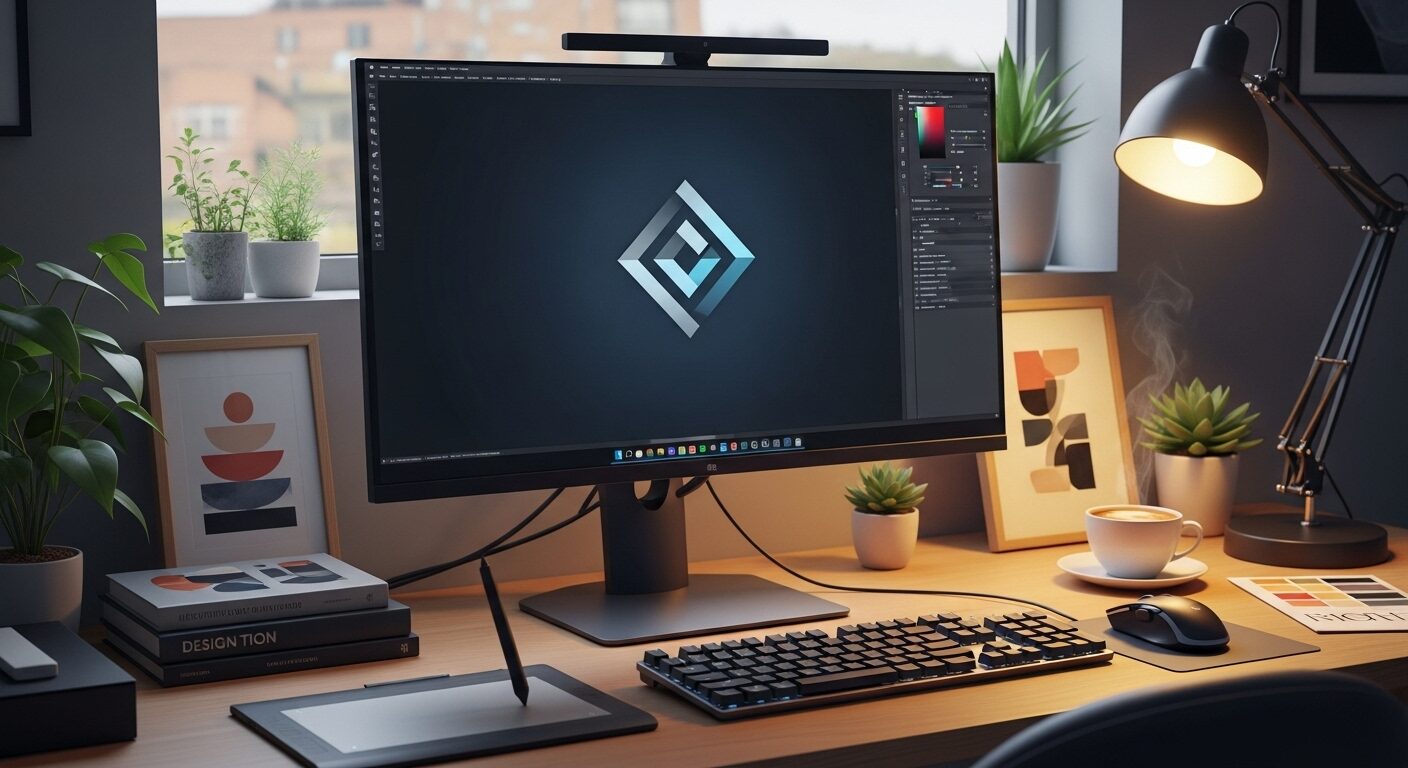
Logo and Brand Identity Designer: Crafting Visual Narratives
The Power of Visual Storytelling
In today’s competitive marketplace, a strong brand is not merely a luxury; it is a necessity. Businesses, regardless of their size, vie for attention, trust, and loyalty. Therefore, a distinct visual identity becomes paramount. This is precisely where a professional Logo and Brand Identity Designer steps in. They are the architects of your brand’s visual language, ensuring it communicates effectively and resonates with your target audience. Your brand, after all, is far more than just a logo; it is the sum of perceptions, experiences, and visual cues that define your business.
Ultimately, a well-crafted brand identity builds recognition and fosters an emotional connection. Consequently, it drives customer engagement and secures a unique position in the market. Understanding this holistic approach is crucial for any business aiming for sustained success.
What Does a Logo and Brand Identity Designer Do?
A Logo and Brand Identity Designer is a specialized creative professional. Their primary role involves conceptualizing and developing the visual elements that collectively represent a brand. This encompasses not only the iconic logo but also a comprehensive system of visual assets. Furthermore, they ensure these elements are cohesive, strategic, and reflective of the brand’s core values and mission.
Initially, their work begins with in-depth research to understand the client’s business, industry, target audience, and competitive landscape. Subsequently, they translate this strategic insight into compelling visual solutions. Therefore, their responsibilities extend beyond mere aesthetics; they are problem-solvers who visually articulate a brand’s essence.
Beyond the Logo: The Scope of Brand Identity
While the logo often serves as the cornerstone, a brand identity is a much broader concept. It includes a variety of visual and communicative components that work in harmony. For instance, these elements typically include:
- Typography: Carefully selected fonts that convey personality and ensure readability across all platforms.
- Color Palettes: Strategic color choices that evoke specific emotions and reinforce brand messaging.
- Imagery & Iconography: A consistent style for photographs, illustrations, and icons that align with the brand’s visual language.
- Brand Voice & Messaging: Although not strictly visual, designers often help define the tone and style of communication to ensure consistency with the visual identity.
- Brand Guidelines: A comprehensive document outlining the correct usage of all brand elements, ensuring consistency across all touchpoints.
In essence, the designer crafts a complete visual ecosystem. This system allows the brand to present itself consistently and professionally, regardless of the medium.
The Importance of Brand Identity in Business
A robust brand identity is an invaluable asset for any organization. It delivers several critical benefits that directly impact business success. Moreover, it is a strategic investment that yields long-term returns.
Recognition and Differentiation
In a crowded market, standing out is essential. A distinctive brand identity makes your business instantly recognizable. Consequently, it helps differentiate you from competitors. People remember visuals more easily than abstract concepts, therefore a strong visual identity is a powerful memory aid.
Trust and Credibility
Professional and consistent branding signals reliability and trustworthiness. When a brand looks polished and cohesive, customers perceive it as more credible and established. This perception, in turn, builds confidence and encourages engagement.
Emotional Connection and Loyalty
Effective brand identity design can evoke specific emotions and create a powerful connection with the audience. Brands that resonate emotionally tend to foster greater customer loyalty. People often choose brands they feel a connection to, even over those with similar products or services.
Market Positioning
Your brand identity helps define your market position. It communicates your brand’s values, personality, and target demographic. For example, a luxury brand will have a vastly different visual identity than a budget-friendly brand, clearly signaling its place in the market.
Key Elements of Brand Identity Design
To truly understand the work of a Logo and Brand Identity Designer, it’s important to delve into the core components they craft. Each element plays a vital role in constructing a holistic brand image.
Logo Design: The Visual Anchor
The logo is often the most visible element of a brand identity. It serves as a visual shorthand for the entire organization. A great logo is simple, memorable, versatile, and appropriate for its industry. Importantly, it should be unique and timeless, capable of evolving with the brand over time.
Color Palette: Setting the Mood
Colors carry significant psychological weight and cultural associations. A designer selects a primary and secondary color palette that aligns with the brand’s personality and evokes the desired emotional response. These colors will be consistently applied across all brand materials.
Typography: The Brand’s Voice in Text
Font choices communicate personality and professionalism. A designer selects typefaces for headlines, body copy, and various applications. These choices ensure legibility and reflect the brand’s tone, whether it’s modern, traditional, playful, or serious.
Imagery and Iconography: Visual Storytelling
This includes the style of photography, illustrations, patterns, and icons used by the brand. Consistency in this area ensures that all visual communications feel unified. For instance, a brand might opt for realistic photography, abstract illustrations, or a specific icon style.
Brand Voice and Messaging: The Written Persona
While primarily a copywriting task, a designer often collaborates to ensure the brand’s written voice aligns with its visual identity. This involves defining the tone, language, and messaging style that the brand uses to communicate with its audience.
Brand Guidelines: The Rulebook for Consistency
Finally, the designer compiles all these elements into a comprehensive brand style guide. This essential document dictates how the brand’s visual assets should be used across all applications. It ensures consistency, even when different teams or external agencies are involved.
The Design Process: From Concept to Cohesion
The creation of a robust brand identity is a systematic process, typically involving several key stages. A skilled Logo and Brand Identity Designer meticulously navigates these steps to deliver optimal results.
Discovery & Research
This initial phase involves gathering extensive information about the client’s business, goals, target audience, and competitors. The designer conducts interviews, market analysis, and trend research. This deep understanding forms the strategic foundation for the entire project.
Strategy & Conceptualization
Based on the research, the designer develops a brand strategy. This defines the brand’s core message, values, and unique selling proposition. Subsequently, they explore various creative concepts and visual directions that align with this strategy. This stage often involves mood boards and preliminary sketches.
Design & Development
This is the hands-on creation phase. The designer begins developing the logo, color palettes, typography, and other visual assets. This is an iterative process, involving multiple rounds of design, feedback, and refinement. Modern design software is indispensable during this stage.
Presentation & Refinement
The designer presents the developed concepts to the client, explaining the strategic rationale behind each design choice. Client feedback is crucial here. The designer then refines the chosen concept based on this input, ensuring the final outcome meets the client’s vision and business objectives.
Implementation & Guidelines
Once the designs are finalized and approved, the designer prepares all the necessary assets in various formats. Crucially, they also create the comprehensive brand guidelines document. This ensures that the brand identity can be consistently applied across all future applications, from websites to business cards.
Qualities of an Exceptional Logo and Brand Identity Designer
Not all designers are created equal. Certain qualities distinguish an exceptional Logo and Brand Identity Designer from the rest. Seeking these traits can significantly impact the success of your branding project.
- Creativity & Innovation: The ability to generate fresh, unique ideas and push creative boundaries.
- Strategic Thinking: A deep understanding of business objectives and how design can achieve them.
- Technical Proficiency: Mastery of design software (e.g., Adobe Illustrator, Photoshop, InDesign) and an understanding of print and digital production processes.
- Communication Skills: Excellent listening, presentation, and feedback integration skills are vital for client collaboration.
- Attention to Detail: Meticulousness in ensuring consistency, precision, and high quality across all design elements.
- Adaptability: The capacity to stay current with design trends, technology, and evolving client needs.
- Problem-Solving: The aptitude to tackle design challenges and find effective visual solutions.
These attributes enable a designer to not only create beautiful visuals but also strategic tools that serve a business’s long-term goals.
Why Invest in Professional Brand Identity Design?
Engaging a professional Logo and Brand Identity Designer is a significant investment. However, the benefits far outweigh the costs, especially when considering the long-term impact on your business’s trajectory.
Long-term Value and Asset Building
A well-designed brand identity is a valuable asset that appreciates over time. It contributes to brand equity, making your company more valuable and recognizable. This foundational investment supports all future marketing and communication efforts.
Competitive Advantage
In a crowded market, a strong, unique brand helps you stand out. It gives you an edge over competitors who may have generic or inconsistent branding. Moreover, it positions your business as a leader in its industry.
Cost-Effectiveness in the Long Run
While an initial investment is required, professional branding prevents costly rebrands and inconsistent marketing efforts down the line. A clear brand guide saves time and money by ensuring all future materials are on-brand from the outset. Consequently, it streamlines marketing operations.
Professional Perception and Reputation
Ultimately, a professionally designed brand identity enhances your business’s reputation. It conveys professionalism, quality, and reliability to customers, partners, and investors alike. This positive perception is crucial for attracting talent and securing business opportunities.
Conclusion
A logo and brand identity designer plays a vital role in shaping how a business is perceived. Through carefully crafted visuals, a strong brand identity communicates trust, professionalism, and authenticity. From color palettes and typography to logos and brand guidelines, every element works together to tell a clear and memorable brand story.
Investing in professional logo and brand identity design helps businesses stand out in competitive markets, create consistent branding across platforms, and build lasting recognition. Whether launching a new brand or refreshing an existing one, well-crafted visual design lays the foundation for long-term brand success.
FAQs
What does a logo and brand identity designer do?
A logo and brand identity designer creates visual elements such as logos, color schemes, typography, and brand guidelines that define a company’s visual presence.
Why is brand identity important for a business?
Brand identity helps businesses build recognition, establish trust, and communicate their values clearly to their target audience.
Is a logo enough for branding?
No, a logo is only one part of branding. A complete brand identity includes colors, fonts, imagery, and consistent visual rules used across all platforms.
Can small businesses benefit from brand identity design?
Yes, professional brand identity design helps small businesses appear credible, attract customers, and compete with larger brands.
How long does it take to design a logo and brand identity?
The timeline depends on the project scope, but quality brand identity design focuses on research, creativity, and consistency rather than speed.
Can an existing logo be redesigned or improved?
Yes, designers can refine or rebrand an existing logo to better align with modern trends and business goals while maintaining brand recognition.
If you want SEO and social media services, contact us on WhatsApp or through our contact page.


