

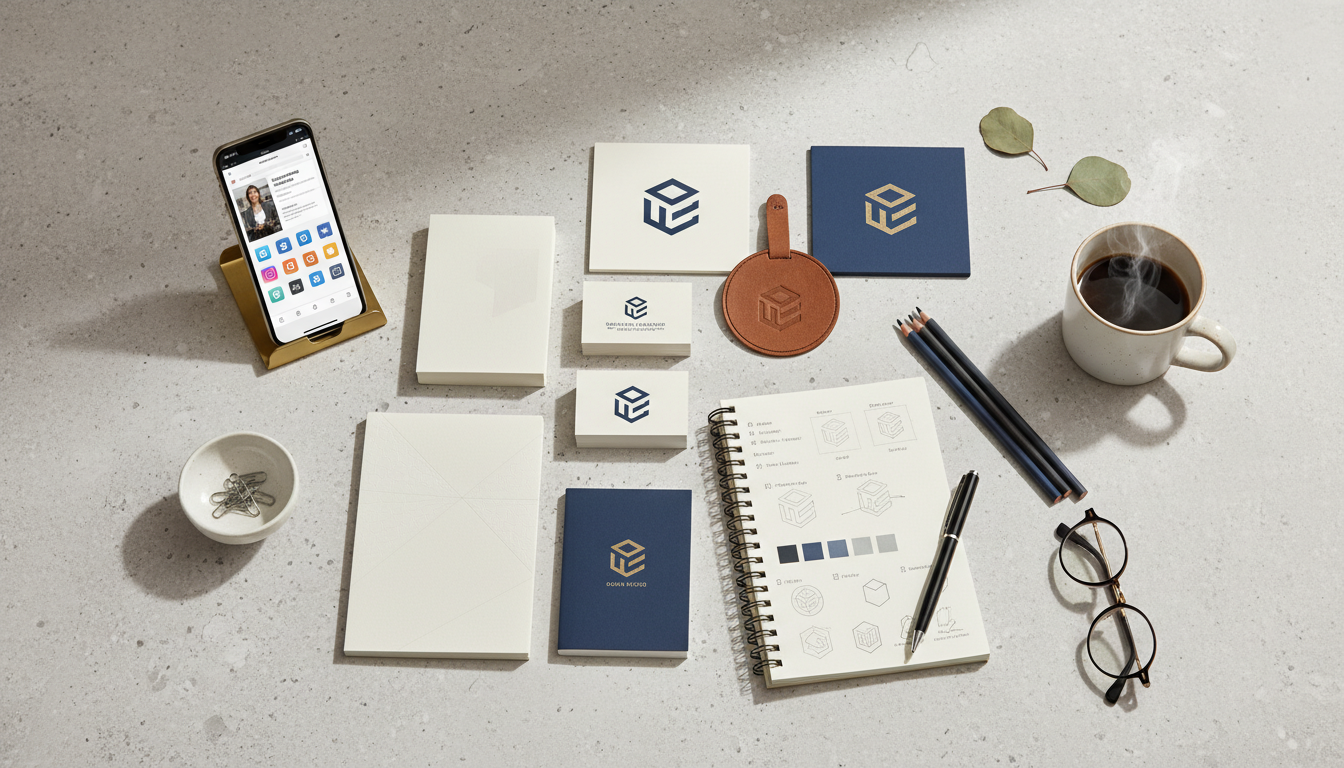
In the fast-paced digital marketplace, first impressions are formed in milliseconds. Many business owners mistakenly believe that a logo is the sum total of their visual presence. However, a logo is merely the tip of the iceberg. True brand identity design encompasses the comprehensive visual, verbal, and emotional attributes that define a company’s interaction with the world. Consequently, understanding the depth of this discipline is essential for any organization aiming to scale in the modern era.
The Evolution of Branding in the Digital Age
Historically, branding was static. It lived on business cards, storefront signage, and print advertisements. Conversely, the digital age demands a dynamic, responsive approach. Today, a brand must live and breathe across a multitude of platforms, from mobile apps to social media feeds. Therefore, the strategic application of brand identity design has shifted from a nice-to-have to a critical business imperative.
Furthermore, the barrier to entry for new businesses has lowered significantly. As a result, competition is fiercer than ever before. To stand out in this saturated landscape, companies must offer more than just a product; they must offer a cohesive experience. Specifically, this experience is curated through rigorous design systems that ensure consistency at every touchpoint. In addition, digital natives are highly perceptive and can quickly detect inauthenticity. Thus, a fragmented visual strategy can lead to immediate disengagement.
The Components of a Robust Identity System
To fully appreciate the power of this discipline, one must understand its core components. It is not simply about picking a nice color palette. Instead, it is about psychology and strategy.
1. Visual Language: This includes logos, but also typography, imagery style, and iconography. For instance, a tech startup might use clean, sans-serif fonts to convey modernity. Meanwhile, a heritage luxury brand might opt for serif fonts to signal tradition.
2. Voice and Tone: How a brand speaks is just as important as how it looks. Consequently, guidelines regarding copywriting style are a crucial part of the identity document.
3. Interactive Elements: In the digital realm, how a button behaves when clicked or how a page loads is part of the brand experience. Therefore, motion design is becoming increasingly relevant.
Why Consistency Builds Trust
Trust is the currency of the digital economy. If a customer visits your Instagram profile and then clicks through to your website, they should feel like they are in the same ecosystem. If the visual cues are disjointed, confusion sets in. Psychological research suggests that confusion leads to mistrust. On the other hand, consistency breeds familiarity.
Effective brand identity design acts as the glue that holds these disparate channels together. It ensures that whether a customer is reading an email newsletter or watching a YouTube video, the source is unmistakably clear. Moreover, this consistency signals professionalism. It tells the customer that the business pays attention to detail. In turn, this implies that the business will pay equal attention to the quality of its products or services.
Differentiation Through Strategic Design
Consider the most successful companies in the world. You can likely identify them by their colors alone. This is not an accident; it is the result of deliberate strategy. By investing in professional brand identity design, businesses carve out a unique space in the consumer’s mind.
For example, if everyone in your industry is using blue to signify trust, a strategic designer might suggest using a vibrant orange to signify innovation and energy. Consequently, you stop competing solely on features or price and begin competing on distinctiveness. Furthermore, a strong identity creates an emotional connection. People do not just buy what you do; they buy why you do it and how you make them feel.
The Return on Investment (ROI)
Many stakeholders view design as a cost center rather than a profit generator. However, the data suggests otherwise. Strong brands command higher prices. Customers are willing to pay a premium for brands they recognize and align with. Therefore, the ROI of comprehensive brand identity design is measurable in customer loyalty and lifetime value.
Additionally, a solid identity system streamlines marketing efforts. When you have a clear set of guidelines, creating new marketing materials becomes faster and cheaper. You do not have to reinvent the wheel for every campaign. Thus, operational efficiency improves significantly.
Navigating the Rebranding Process
There comes a time for every business when the current image no longer reflects the reality of the company. Perhaps the business has pivoted, or perhaps the aesthetic feels dated. Rebranding is a complex process that requires careful execution.
First, you must audit the current perception of the brand. Subsequently, you must define the new strategic goals. Only then should the visual exploration begin. It is crucial to remember that brand identity design is a long-term investment. Changing your look too frequently can alienate existing customers. Therefore, any changes should be evolution rather than revolution, unless a complete overhaul is strategically necessary.
The Role of Empathy in Design
Ultimately, successful design is human-centric. It requires empathy for the end-user. Who are they? What do they value? What problems are they trying to solve? By answering these questions, designers can create systems that resonate on a deeper level.
For instance, a healthcare app requires an interface that is calming and easy to navigate, as users may be anxious. Conversely, a fitness brand might need an identity that is high-energy and aggressive to motivate users. In this context, brand identity design serves as the bridge between business goals and user needs.
Future-Proofing Your Business
As technology evolves, so too will the mediums through which we experience brands. Virtual reality, augmented reality, and voice interfaces are becoming more prevalent. A rigid identity system will break under the pressure of these new formats.
Consequently, modern identity systems must be flexible (or “responsive”). They must work as well on a smartwatch as they do on a billboard. Forward-thinking companies are already adopting generative design systems that can adapt automatically to different contexts. In conclusion, the companies that prioritize adaptable, strategic design today are the ones that will thrive tomorrow.
Frequently Asked Questions
What is the difference between a logo and brand identity design?
A logo is a single graphic mark or symbol. In contrast, brand identity design is the complete visual system that includes the logo, color palette, typography, imagery, voice, and usage guidelines that work together to define the brand.
How long does the design process take?
The timeline varies depending on the scope of the project. Typically, a comprehensive identity project can take anywhere from six weeks to six months. This duration allows for deep research, strategy development, and iterative design phases.
Why is consistency so important for my brand?
Consistency creates a coherent narrative for your audience. Furthermore, it builds trust and aids in recall. When customers see a consistent visual language across all platforms, it reinforces the legitimacy and reliability of your business.
Can I just design my own identity using online tools?
While online tools offer quick solutions, they often lack the strategic depth and uniqueness required to stand out. Moreover, professional designers bring expertise in psychology, market trends, and technical scalability that automated tools cannot match.
When should a company consider rebranding?
A company should consider rebranding when its current image no longer aligns with its business goals, target audience, or market position. Additionally, if the visual identity feels outdated or inconsistent, it may be time for a refresh.
Conclusion
In summary, the visual and strategic representation of a company is far more than a vanity project. It is a fundamental driver of business growth, trust, and market differentiation. As we navigate an increasingly crowded digital landscape, the clarity and consistency provided by professional brand identity design become indispensable assets.
Business leaders must recognize that their identity is a living entity. It requires maintenance, investment, and strategic oversight. By prioritizing this holistic approach, organizations can build lasting connections with their audience. Therefore, looking beyond the logo is not just a creative choice; it is a strategic necessity for long-term success.
If you want SEO or Branding services, then contact us on WhatsApp or through our contact page.


