


Marketing Design: Crafting Visual Impact for Brands
In today’s competitive landscape, businesses constantly seek effective ways to connect with their target audiences. Marketing Design stands at the forefront of this endeavor, translating brand messages into compelling visual experiences. It’s more than just aesthetics; it’s a strategic discipline that blends creativity with psychology and business objectives. Understanding its nuances is crucial for any organization aiming for sustained growth and brand recognition.
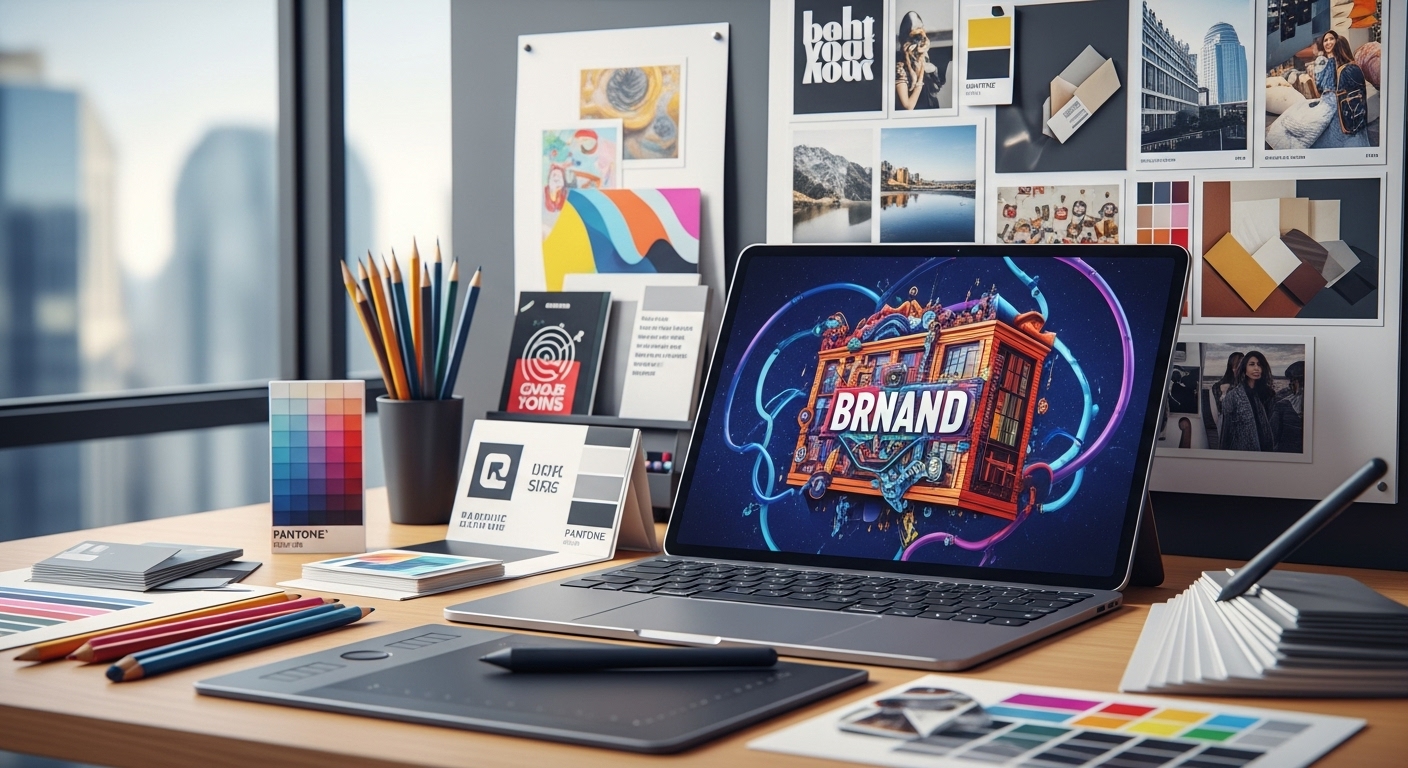
What is Marketing Design?
Marketing design encompasses all visual assets created to promote a product, service, or brand. This includes everything from logos and websites to social media graphics, advertisements, and packaging. Essentially, it’s the visual language a brand uses to communicate with its audience. Therefore, it plays a pivotal role in shaping perceptions and influencing consumer behavior. Ultimately, good marketing design simplifies complex information, making it digestible and appealing.
Beyond Aesthetics: The Strategic Role
While visual appeal is undeniably important, the true power of marketing design lies in its strategic function. It aims to achieve specific marketing goals, such as increasing brand awareness, generating leads, driving sales, or fostering customer loyalty. For instance, a well-designed advertisement might grab attention, convey a unique selling proposition, and prompt a call to action. Consequently, every design decision should align with overarching business strategies. Moreover, effective design helps differentiate a brand from its competitors, creating a distinct identity in a crowded marketplace.
Key Elements of Effective Marketing Design
Several core components contribute to successful marketing design. Firstly, typography* sets the tone and ensures readability. Secondly, **color psychology** influences mood and perception, making careful selection essential. Thirdly, **imagery and iconography** convey messages quickly and emotionally. Furthermore, **layout and composition** guide the viewer’s eye and establish visual hierarchy. Finally, *brand guidelines ensure consistency across all touchpoints, reinforcing brand identity. Together, these elements form a cohesive visual narrative.
The Pillars of Successful Marketing Design Strategy
Developing a robust strategy is fundamental to maximizing the impact of your Marketing Design efforts. A well-thought-out approach ensures that every visual asset serves a purpose and contributes to broader business objectives. Therefore, it’s vital to consider several key pillars before embarking on any design project.
Understanding Your Audience
Effective marketing design begins with a deep understanding of the target audience. Who are you trying to reach? What are their demographics, psychographics, needs, and preferences? For example, designing for Gen Z will differ significantly from designing for Baby Boomers. Consequently, conducting thorough market research and creating detailed buyer personas are indispensable steps. This insight allows designers to tailor visuals and messaging that resonate directly with potential customers, thus increasing engagement and effectiveness.
Brand Consistency is Paramount
Consistency is a cornerstone of strong branding. Every piece of marketing design, regardless of its medium, should reflect the brand’s identity through consistent use of logos, colors, fonts, and imagery. A unified visual language builds recognition and trust. Conversely, inconsistent branding can confuse customers and dilute brand perception. Therefore, developing comprehensive brand guidelines is crucial, providing a clear framework for all design work.
Choosing the Right Visuals and Messaging
The choice of visuals and the accompanying message must be compelling and relevant. High-quality imagery, engaging videos, and clear, concise copy are essential. Furthermore, the visuals should evoke the desired emotions and accurately represent the brand’s values. For instance, a luxury brand might use elegant, minimalist designs, whereas a fun, youth-oriented brand might opt for vibrant, dynamic graphics. The message, in turn, should be persuasive and highlight the benefits to the customer.
Platform-Specific Design Considerations
Different marketing channels demand different design approaches. A graphic optimized for Instagram stories will have distinct specifications compared to a banner ad for a website or a print ad in a magazine. Therefore, understanding the technical requirements and best practices for each platform is critical. This ensures that designs are not only visually appealing but also perform optimally across various digital and physical environments. Adaptability is key in a multi-channel world.
Types of Marketing Design Assets
Marketing design manifests in countless forms, each serving a unique purpose within a broader marketing strategy. Consequently, a comprehensive approach often involves a diverse array of assets.
Digital Marketing Design (Social Media, Websites, Email)
Digital assets are perhaps the most prevalent form of marketing design today. This category includes:
- Website Design: Crucial for online presence, focusing on user experience (UX) and user interface (UI) to ensure intuitive navigation and aesthetic appeal.
- Social Media Graphics: Engaging visuals for platforms like Instagram, Facebook, LinkedIn, and Twitter, designed to capture attention and encourage interaction.
- Email Marketing Templates: Visually appealing and responsive designs for newsletters, promotional emails, and automated campaigns.
- Banner Ads: Static or animated graphics for online advertising, often tailored to specific ad networks and targeting parameters.
- Infographics: Visual representations of data and information, making complex topics easier to understand and share.
Print Marketing Design (Brochures, Flyers, Posters)
Despite the digital shift, print marketing remains a powerful tool, particularly for local businesses or specific campaigns. These assets offer a tangible connection with the audience.
- Brochures and Flyers: Informative and visually attractive materials for events, product launches, or general brand awareness.
- Posters and Billboards: Large-format designs meant to capture attention in public spaces, requiring bold visuals and minimal text.
- Business Cards: Essential networking tools, reflecting brand identity in a small, portable format.
- Packaging Design: The visual presentation of a product, crucial for shelf appeal and communicating brand value.
Experiential Marketing Design (Events, Merchandising)
Experiential design focuses on creating immersive brand experiences.
- Event Booths and Displays: Designs for trade shows, conferences, and pop-up shops that attract visitors and convey brand messaging effectively.
- Merchandise Design: Branded items like t-shirts, pens, and bags, which serve as promotional tools and enhance brand visibility.
Tools and Technologies for Modern Marketing Design
The landscape of marketing design is constantly evolving, driven by advancements in software and technology. Designers today have access to a sophisticated suite of tools that streamline workflows and enable more creative output. Consequently, selecting the right tools is paramount for efficiency and quality.
Graphic Design Software
Industry-standard software forms the backbone of most marketing design work. Adobe Creative Suite remains dominant, offering a comprehensive ecosystem.
- Adobe Photoshop: Ideal for raster image editing, photo manipulation, and creating social media graphics.
- Adobe Illustrator: Essential for vector graphics, logo design, iconography, and scalable illustrations.
- Adobe InDesign: Primarily used for page layout, brochures, magazines, and other print publications.
- Canva: A user-friendly online tool popular for quick, professional-looking designs, especially for social media and presentations, accessible to non-designers.
Prototyping and UI/UX Tools
For digital marketing assets like websites and apps, specialized UI/UX tools are indispensable. They allow designers to create interactive prototypes and ensure a seamless user experience.
- Figma: A collaborative, cloud-based design tool widely used for UI/UX design, prototyping, and team collaboration.
- Sketch: A popular vector graphics editor primarily for macOS, focused on UI/UX design.
- Adobe XD: Part of the Adobe Creative Suite, offering tools for designing, prototyping, and sharing user experiences.
AI-Powered Design Solutions
Artificial intelligence is beginning to revolutionize aspects of marketing design, offering new possibilities for automation and personalization.
- AI-generated content: Tools that can assist in creating variations of ad copy or even simple visual elements.
- Automated design platforms: Some platforms use AI to suggest layouts, color palettes, and fonts based on user input or brand guidelines.
- Personalization engines: AI helps tailor visual content to individual user preferences, enhancing relevance and engagement.
Measuring the Impact of Marketing Design
While marketing design is inherently creative, its effectiveness must be measurable. Therefore, tracking performance allows businesses to understand what resonates with their audience and optimize future campaigns. Without measurement, design efforts risk being unguided and inefficient.
Key Performance Indicators (KPIs)
Various KPIs can help assess the success of marketing design. These metrics provide tangible data points for evaluation.
- Click-Through Rate (CTR): Measures how often users click on a visual element (e.g., an ad, a button). A higher CTR often indicates compelling design.
- Conversion Rate: Tracks the percentage of users who complete a desired action (e.g., purchase, sign-up) after interacting with a design element.
- Brand Recall/Recognition: Surveys and brand tracking studies can measure how memorable and recognizable a brand’s visual identity is.
- Engagement Metrics: For social media, likes, shares, comments, and saves indicate how well a graphic captures audience interest.
- Time on Page/Bounce Rate: For website design, these metrics indicate user experience and content stickiness.
A/B Testing and Iteration
A/B testing is a powerful method for optimizing marketing design. It involves presenting two or more versions of a design element (e.g., different headlines, images, call-to-action buttons) to different segments of your audience. By analyzing which version performs better against specific KPIs, designers can make data-driven decisions. This iterative process of testing, analyzing, and refining ensures continuous improvement and maximizes the return on design investment. Consequently, ongoing optimization is a hallmark of successful marketing design.
Best Practices for Elevating Your Marketing Design Efforts
To truly excel in marketing design, it’s important to adhere to several best practices. These principles guide designers toward creating impactful, user-centric, and effective visuals that stand out.
Embrace Simplicity
Often, less is more. Simple, uncluttered designs are easier to process and understand, making the message clearer. Overly complex visuals can overwhelm the viewer and dilute the core message. Therefore, focus on essential elements and avoid unnecessary ornamentation. A clean design aesthetic often communicates professionalism and sophistication.
Prioritize User Experience
Every marketing design should prioritize the user’s experience. Is it easy to read? Is the call to action clear? Does it guide the user intuitively? Thinking from the user’s perspective ensures that designs are not only beautiful but also functional and effective. This involves considering accessibility, responsiveness, and overall ease of interaction.
Stay Current with Trends
The design world is dynamic. Staying abreast of current design trends, tools, and technologies is crucial for keeping your marketing materials fresh and relevant. However, it’s also important to differentiate between fleeting fads and enduring design principles. Incorporate trends thoughtfully, ensuring they align with your brand’s identity rather than just following them blindly.
Collaborate Effectively
Marketing design is rarely a solitary endeavor. Effective collaboration between designers, marketers, content creators, and stakeholders is vital. Clear communication, constructive feedback, and a shared understanding of objectives ensure that the final design meets all strategic requirements. Ultimately, a collaborative environment fosters creativity and produces superior results.
Conclusion
Investing in marketing design transforms ordinary campaigns into standout experiences that build brand loyalty and accelerate growth. Partner with design experts to craft visuals that not only captivate but also deliver measurable results in today’s competitive landscape.
FAQs
What is marketing design?
Marketing design focuses on creating visually appealing graphics, layouts, and assets for campaigns, including ads, emails, social media posts, and brochures tailored to boost brand impact.
Why is visual impact crucial in marketing?
Strong visuals grab attention instantly, evoke emotions, enhance message retention, and increase engagement rates, helping brands stand out amid information overload.
What does a typical marketing design process involve?
It starts with strategy alignment, followed by concept creation, iterations based on feedback, and final asset delivery optimized for various platforms and formats.
What deliverables are included?
Common outputs include social media graphics, email templates, ad banners, infographics, video thumbnails, and style guides to ensure consistency.
How much do marketing design services cost?
Costs range from $1,000-$20,000+ depending on project scope, with hourly rates around $50-$150 or package pricing for ongoing retainers.
If you want SEO and social media services, contact us on WhatsApp or through our contact page.
Want to read more article click here.


