

Want to get more information and then checkout these links.
UI UX Design Course: Master User Experience & Interface Design for Digital Products
In today’s digitally-driven world, the success of any product or service hinges significantly on its user experience (UX) and user interface (UI). Therefore, understanding and mastering these disciplines is paramount for aspiring and current designers alike. A dedicated UI UX design course offers a structured pathway to acquire these critical skills, transforming concepts into intuitive and visually appealing digital solutions. This article explores the profound impact of UI UX design, the benefits of enrolling in a specialized course, and what to look for when choosing the right program to kickstart or advance your design career.
What is UI UX Design?
Before delving into course specifics, it’s essential to grasp the core concepts of UI and UX design. Although often used interchangeably, they represent distinct yet interdependent facets of product development. Indeed, both are crucial for creating engaging and effective digital experiences.
Understanding User Experience (UX)
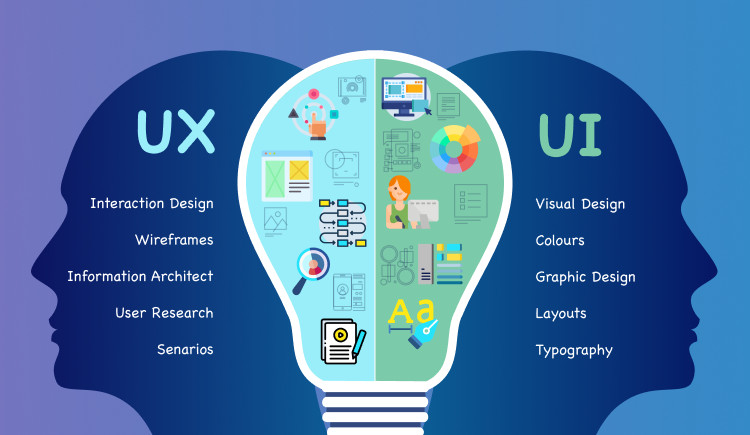
User Experience (UX) design focuses on the overall feeling a user has when interacting with a product. It encompasses all aspects of the end-user’s interaction with the company, its services, and its products. UX designers are concerned with how a product feels, how easy it is to use, and how enjoyable the experience is. This involves extensive research, including understanding user behaviors, needs, and motivations. Subsequently, UX designers map out user flows, create wireframes, and conduct usability testing to ensure a seamless and logical interaction journey. Ultimately, the goal is to make the product useful, usable, and desirable.
Understanding User Interface (UI)
User Interface (UI) design, on the other hand, deals with the visual and interactive elements of a product. It focuses on the look and feel, presentation, and interactivity of a product. UI designers are responsible for designing all the screens, buttons, toggles, icons, and other visual elements that users interact with. This includes typography, color palettes, imagery, and overall layout. Their work ensures that the interface is not only aesthetically pleasing but also intuitive and consistent. In essence, UI design brings the UX vision to life through visual execution.
The Synergy of UI and UX
Clearly, UI and UX are two sides of the same coin. UX design lays the foundational blueprint, determining the product’s structure and functionality, while UI design gives it a tangible, interactive form. A great product requires both; a beautiful interface with a poor user experience will frustrate users, just as a highly functional product with an unappealing interface may never gain traction. Therefore, a comprehensive UI UX design course emphasizes the symbiotic relationship between these two disciplines.
Why Enroll in a UI UX Design Course?
Considering the complexities and nuances of UI UX design, formal training provides numerous advantages. Furthermore, enrolling in a specialized program can significantly accelerate your learning and career trajectory.
Career Opportunities in UI UX
Firstly, the demand for skilled UI UX designers is booming across industries. Companies of all sizes, from startups to large enterprises, recognize the value of good design in driving business success. Consequently, a UI UX design course can open doors to diverse roles such as UX Researcher, UI Designer, Product Designer, Interaction Designer, and Information Architect. These roles often come with competitive salaries and opportunities for growth.
Structured Learning Path
Secondly, self-learning can be disjointed and overwhelming. A well-designed course provides a structured curriculum, guiding you from foundational principles to advanced techniques in a logical progression. This structured approach ensures you build a solid understanding of core concepts before moving on to more complex topics. Moreover, instructors provide expert guidance and feedback, which is invaluable for skill development.
Hands-on Experience and Portfolio Building
Theory alone is insufficient in design. Most reputable UI UX design courses heavily emphasize practical application through projects, case studies, and real-world simulations. This hands-on experience is critical for developing practical skills and, crucially, for building a robust portfolio. A strong portfolio, showcasing your design process and problem-solving abilities, is essential for securing employment in the field.
Industry Best Practices and Tools
Furthermore, the design landscape evolves rapidly, with new tools and methodologies emerging constantly. A quality UI UX design course keeps you abreast of the latest industry best practices, design principles, and essential software tools like Figma, Sketch, Adobe XD, Miro, and more. Learning these tools in a guided environment ensures proficiency and efficiency.
Networking and Mentorship
Lastly, enrolling in a course connects you with a community of like-minded peers and experienced instructors. This network can be a valuable resource for collaboration, support, and future career opportunities. Additionally, many courses offer mentorship components, providing personalized guidance from industry professionals.
Key Components of a Comprehensive UI UX Design Course
When evaluating different programs, look for a UI UX design course that covers a broad spectrum of topics to ensure a holistic understanding of the field. A truly comprehensive program will delve into both the strategic and tactical aspects of design.
Foundational Principles
Any good course begins with the fundamentals. This includes design thinking methodologies, user-centered design principles, accessibility guidelines, and an introduction to human-computer interaction (HCI). Understanding these core concepts forms the bedrock of effective design.
User Research & Analysis
Effective design starts with understanding the user. Therefore, a strong course will teach various user research methods, such as:
- Conducting user interviews and surveys
- Performing usability testing
- Creating user personas and empathy maps
- Developing user journey maps and experience maps
These techniques help designers uncover user needs and pain points, informing design decisions.
Information Architecture & Wireframing
Subsequently, organizing information logically is crucial for usability. This section of a UI UX design course typically covers:
- Developing site maps and content hierarchies
- Creating user flows to map out interactions
- Designing low-fidelity wireframes to outline layout and functionality
These steps ensure the product’s structure is intuitive and easy to navigate.
Prototyping & Interaction Design
Bringing designs to life involves prototyping. Students learn to create interactive prototypes, ranging from low-fidelity to high-fidelity, using industry-standard tools. This also includes understanding interaction design principles, micro-interactions, and animations to enhance the user experience. Moreover, it allows for early testing and iteration.
Visual Design & Branding
This component focuses on the aesthetic aspects of UI design. Topics often include:
- Color theory and psychology
- Typography principles and best practices
- Iconography and visual language
- Creating design systems and style guides
Clearly, these elements are vital for establishing a consistent and appealing brand identity.
Usability Testing & Iteration
Design is an iterative process. A valuable UI UX design course teaches how to conduct effective usability tests, gather feedback, and iterate on designs based on user insights. This includes A/B testing, heuristic evaluations, and continuous improvement cycles. Indeed, this ensures the final product meets user needs effectively.
Portfolio Development & Career Guidance
Finally, a comprehensive course should include modules on creating a compelling design portfolio and preparing for job interviews. This often involves workshops on case study writing, resume building, and interview techniques to help graduates successfully transition into the industry.
Choosing the Right UI UX Design Course
Given the multitude of options available, selecting the ideal UI UX design course requires careful consideration. Here are key factors to evaluate:
Online vs. In-Person
Consider your learning style and schedule. Online courses offer flexibility and often self-paced learning, while in-person bootcamps provide direct interaction and a more immersive experience. Both have their merits; therefore, choose what best fits your circumstances.
Course Curriculum and Depth
Thoroughly review the curriculum. Does it cover the breadth and depth of topics mentioned above? Are there practical projects? Does it align with your career goals? Furthermore, ensure the course content is up-to-date with current industry standards.
Instructor Expertise and Support
Research the instructors. Do they have relevant industry experience? What kind of support and feedback mechanisms are in place? Experienced instructors can provide invaluable insights and guidance. Additionally, check for opportunities for one-on-one mentorship.
Course Duration and Flexibility
Courses vary widely in length, from intensive boot camps (a few weeks) to part-time programs (several months) and self-paced online modules. Choose a duration and schedule that is sustainable for you. Ultimately, the best course is one you can complete successfully.
Cost and ROI
Evaluate the cost against your budget and the potential return on investment (ROI). Consider factors like career services, job placement rates, and potential salary increases post-completion. Some courses offer payment plans or scholarships, which can be helpful.
Reviews and Alumni Success
Finally, look for reviews and testimonials from past students. Investigate alumni success stories and job placement rates. This provides real-world insights into the course’s effectiveness and its impact on career outcomes. A strong track record is a good indicator of quality.
What to Expect After Completing a UI UX Design Course
Upon completing your UI UX design course, you will possess a new set of highly marketable skills. However, the journey doesn’t end there. Expect to dedicate time to refining your portfolio, networking, and applying for positions. Many programs offer career support to help with this transition, including resume reviews and interview preparation. Continuous learning is also crucial, as the field constantly evolves. Staying updated with new tools, trends, and methodologies will ensure long-term success in this dynamic profession.
Conclusion
Enrolling in a comprehensive UI UX design course is a strategic investment for anyone looking to enter or advance within the digital design industry. These programs provide the essential knowledge, practical skills, and portfolio-building opportunities required to succeed. By understanding the distinctions between UI and UX, recognizing the benefits of formal training, and carefully selecting a course that aligns with your aspirations, you can effectively position yourself for a rewarding and impactful career. Ultimately, mastering UI UX design empowers you to create intuitive, engaging, and visually stunning digital experiences that truly resonate with users.
Frequently Asked Questions (FAQ)
Q1: What’s the main difference between UI and UX design?
A1: UX (User Experience) design focuses on the overall feeling and functionality of a product, ensuring it’s useful, usable, and enjoyable. It involves research, wireframing, and user flows. UI (User Interface) design, conversely, focuses on the visual and interactive elements of a product, such as buttons, typography, colors, and layout, making it aesthetically pleasing and intuitive. In essence, UX is about how it works, and UI is about how it looks and interacts.
Q2: How long does it typically take to complete a UI UX design course?
A2: The duration of a UI UX design course can vary significantly. Intensive boot camps often last anywhere from 8 to 12 weeks, providing a fast-paced, immersive learning experience. Part-time or self-paced online courses can range from 3 to 9 months or even longer, offering more flexibility for individuals balancing other commitments. Your choice will depend on your learning style, schedule, and career acceleration goals.
Q3: Do I need a design background to enroll in a UI UX design course?
A3: No, a prior design background is generally not required for most entry-level UI UX design course programs. Many courses are designed for beginners and career changers, starting with foundational concepts. However, having a keen eye for detail, strong problem-solving skills, and an interest in technology and human behavior can be highly beneficial.
want to read more article click here.


