

Want to get more information and then checkout these links.
logo and brand identity design: Crafting Your Unique Visual Story
In today’s competitive marketplace, a strong visual presence is not merely an advantage; it is, in fact, an absolute necessity. At the heart of this presence lies logo and brand identity design, a foundational element that shapes how your audience perceives and interacts with your business. Many entrepreneurs understand the importance of a logo, yet they often overlook the broader, more comprehensive concept of brand identity. Therefore, it is crucial to delve into what constitutes effective design and why it is indispensable for sustained success.
This article will explore the intricate world of logo and brand identity design, offering insights into its components, strategic importance, and the process of creating a cohesive visual language. Ultimately, a well-executed brand identity transcends aesthetics; it communicates values, fosters trust, and cultivates loyalty among your target audience.
Understanding the Core Concepts: Logo vs. Brand Identity
While often used interchangeably, a logo and brand identity are distinct yet intrinsically linked concepts. It is important to differentiate between them to fully appreciate their individual contributions to your overall brand strategy.
What is a Logo?
A logo is essentially the visual cornerstone of your brand. Specifically, it is a graphic mark, emblem, or symbol used to aid and promote public recognition. Think of iconic examples like the Nike swoosh or the Apple bitten apple; these simple yet powerful symbols instantly evoke an entire brand. A good logo is memorable, versatile, and appropriate for its intended purpose. Furthermore, it should be simple enough to be easily recognizable and scalable across various mediums, from a billboard to a favicon.
What is Brand Identity?
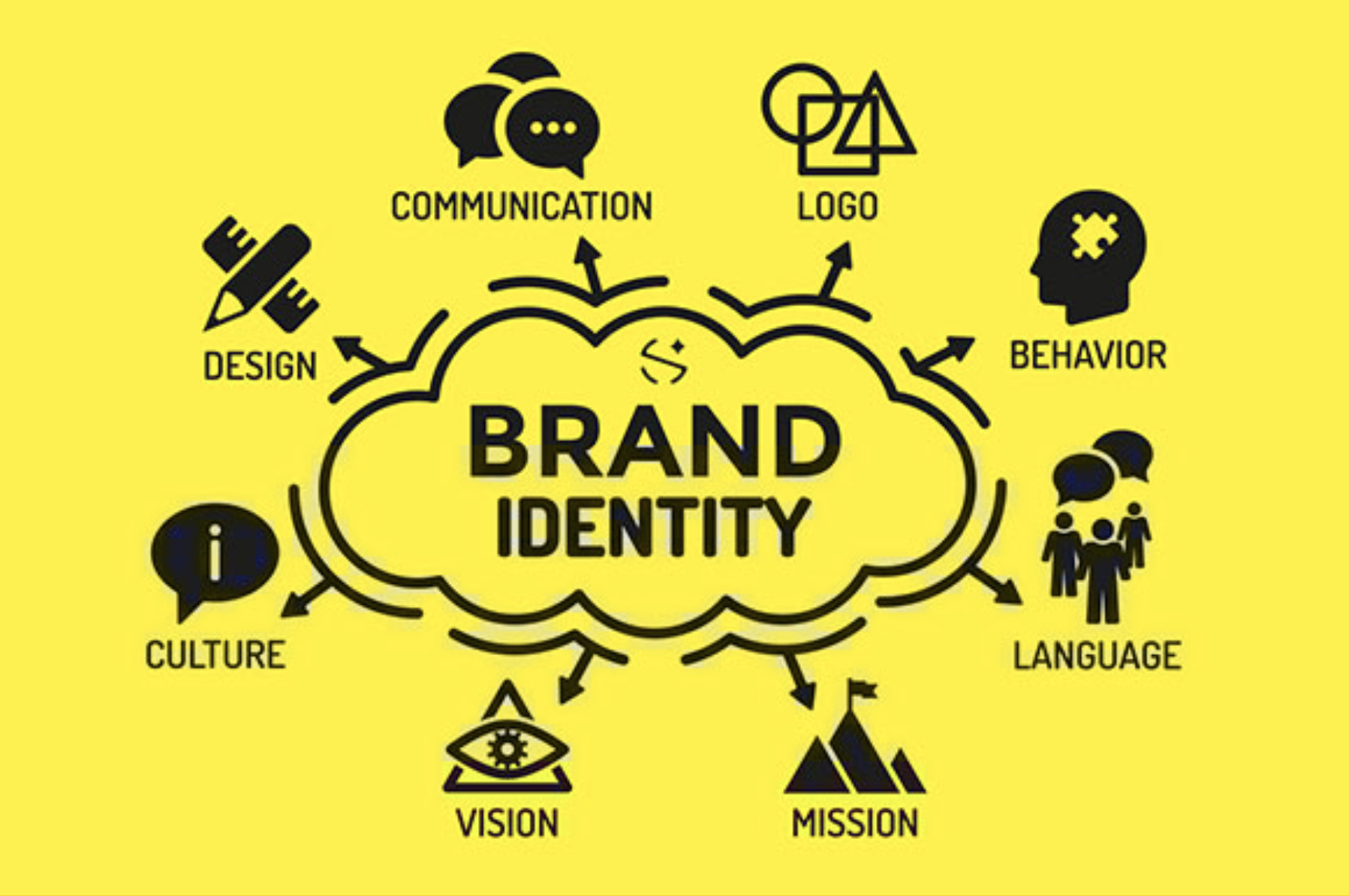
Conversely, brand identity encompasses a much broader spectrum of visual and sensory elements. It is the entire collection of visual components that work together to represent your brand. This includes, but is certainly not limited to, your logo. A comprehensive brand identity defines your brand’s personality, values, and promises. Consequently, it dictates everything from your color palette and typography to imagery style, tone of voice, and even the texture of your business cards. In essence, brand identity is the visual manifestation of your brand’s essence, ensuring consistency across all touchpoints.
The Strategic Importance of Effective logo and brand identity design
Investing in professional logo and brand identity design is not just an expenditure; rather, it is a strategic investment in your business’s future. Its impact resonates across multiple facets of your operations and market perception.
Building Recognition and Recall
A distinctive logo and a consistent brand identity make your business instantly recognizable. When consumers encounter your brand repeatedly through various channels, these visual cues help them remember who you are and what you offer. This familiarity is crucial for standing out in a crowded market. Therefore, strong recognition directly contributes to brand recall, making your business top-of-mind when a need arises.
Establishing Credibility and Trust
Professional design signals professionalism and attention to detail. A well-designed brand identity conveys that your business is reliable, trustworthy, and committed to quality. Conversely, a poorly designed or inconsistent brand can inadvertently suggest a lack of seriousness or competence. Hence, a polished visual presence builds confidence among potential clients and partners.
Differentiating from Competitors
In virtually every industry, competition is fierce. Effective logo and brand identity design provides a unique visual language that sets you apart. It allows you to carve out a distinct niche, communicating your unique selling propositions visually. This differentiation is vital for attracting your ideal customer who resonates with your specific brand personality.
Communicating Brand Values and Personality
Your brand identity is a powerful non-verbal communicator. Through choices in color, font, imagery, and style, you can convey your brand’s core values, mission, and personality. For instance, a vibrant, playful identity might suit a children’s toy company, whereas a minimalist, sophisticated look would be more appropriate for a luxury brand. Thus, design choices speak volumes about what your brand stands for.
Fostering Emotional Connections and Loyalty
People often connect with brands on an emotional level. A compelling brand identity can evoke feelings, memories, and aspirations, creating a deeper bond with your audience. When customers feel a connection, they are more likely to become loyal advocates, leading to repeat business and positive word-of-mouth referrals. This emotional resonance is a cornerstone of lasting brand relationships.
Key Elements of a Strong Brand Identity
Developing a robust brand identity involves carefully crafting several interconnected elements. Each plays a critical role in forming a cohesive and impactful visual presence.
Logo
As discussed, the logo is the central element. It must be unique, memorable, and versatile, serving as the primary identifier for your brand. Its design should reflect the essence of your business and be easily reproducible across all platforms.
Color Palette
Colors evoke emotions and carry specific meanings. A well-chosen color palette establishes a consistent mood and reinforces your brand’s personality. For example, blue often conveys trust and professionalism, while green suggests nature and growth. Therefore, strategic color selection is paramount.
Typography
Fonts communicate personality just as much as colors do. The typography used in your logo, website, marketing materials, and internal communications contributes significantly to your brand’s voice. Consistency in font usage ensures a professional and unified appearance.
Imagery and Photography Style
Whether it’s custom photography, illustrations, or stock images, the style of your visuals should be consistent with your brand’s overall aesthetic. High-quality, relevant imagery enhances your message and reinforces your brand’s story. Moreover, a defined imagery style helps maintain a cohesive look across all platforms.
Graphic Elements and Patterns
Beyond the logo, additional graphic elements or patterns can be developed to complement your brand identity. These elements can be used in backgrounds, borders, icons, or decorative accents to add visual interest and reinforce brand recognition. They provide flexibility while maintaining brand consistency.
Tone of Voice
While not strictly visual, your brand’s tone of voice in written communications is an integral part of its identity. Is your brand formal or casual? Humorous or serious? Authoritative or approachable? This voice should align with your visual identity to create a holistic brand experience.
The Design Process: From Concept to Launch
Creating an effective logo and brand identity design is a structured process that typically involves several key stages. Understanding this process can help you collaborate more effectively with designers and ensure a successful outcome.
1. Discovery and Research
This initial phase involves a deep dive into your business, target audience, competitors, and industry trends. Designers will ask questions to understand your vision, values, goals, and what makes your business unique. This research forms the strategic foundation for all subsequent design decisions. Consequently, a thorough discovery phase prevents missteps later on.
2. Strategy and Concept Development
Based on the research, the design team will develop a brand strategy. This involves defining your brand’s core message, personality, and unique selling propositions. From this strategy, initial design concepts for the logo and key identity elements are brainstormed and sketched. Multiple directions may be explored to find the most compelling visual solution.
3. Design Execution and Refinement
Once concepts are approved, the chosen designs are brought to life digitally. This stage involves detailed creation of the logo, selection of color palettes, typography, and other visual assets. Feedback loops are crucial here, allowing for revisions and refinements until the designs perfectly align with your vision and strategic objectives. Therefore, open communication is vital during this phase.
4. Brand Guidelines Creation
Upon final approval, a comprehensive set of brand guidelines (often called a brand book or style guide) is created. This document meticulously outlines how to use all elements of your brand identity, including logo usage, color codes, typography specifications, imagery guidelines, and tone of voice. These guidelines ensure consistency across all future applications, regardless of who is implementing them.
5. Implementation and Launch
With the brand identity finalized and guidelines in hand, it’s time to apply your new visual language across all touchpoints. This includes your website, social media profiles, marketing collateral, signage, packaging, and internal communications. A consistent launch ensures that your new brand identity makes a strong, unified impact from day one.
Common Pitfalls to Avoid in Brand Identity Design
Even with a clear understanding of the process, certain mistakes can undermine the effectiveness of your brand identity. Awareness of these common pitfalls can help you navigate the design journey more successfully.
Inconsistency
One of the biggest threats to a strong brand is inconsistency. Using different versions of your logo, varying color shades, or inconsistent fonts across platforms dilutes your brand’s impact and confuses your audience. Adhering strictly to brand guidelines is essential to maintain a cohesive presence.
Overlooking Your Target Audience
Designing solely based on personal preference without considering who you are trying to reach is a common error. Your brand identity must resonate with your target audience. Researching their demographics, psychographics, and preferences is critical to creating a design that speaks to them effectively. Ultimately, the design is for them, not just for you.
Copying Competitors
While it’s important to be aware of what competitors are doing, directly copying their style will only make your brand appear unoriginal and uninspired. Your brand identity should highlight what makes you unique, not what makes you similar to others. Strive for distinctiveness.
Ignoring Scalability and Versatility
Your logo and brand elements need to work across a myriad of applications, from a small app icon to a large billboard, and from print to digital media. Designs that don’t scale well or lose their impact in different contexts will limit your brand’s reach and effectiveness. Therefore, versatility is a key design consideration.
Rushing the Process
Developing a strong brand identity takes time, research, and thoughtful execution. Rushing through the process can lead to overlooked details, inconsistent elements, and a less impactful final product. Allowing ample time for each stage, especially discovery and refinement, is crucial for a successful outcome.
want to read more article click here.


