

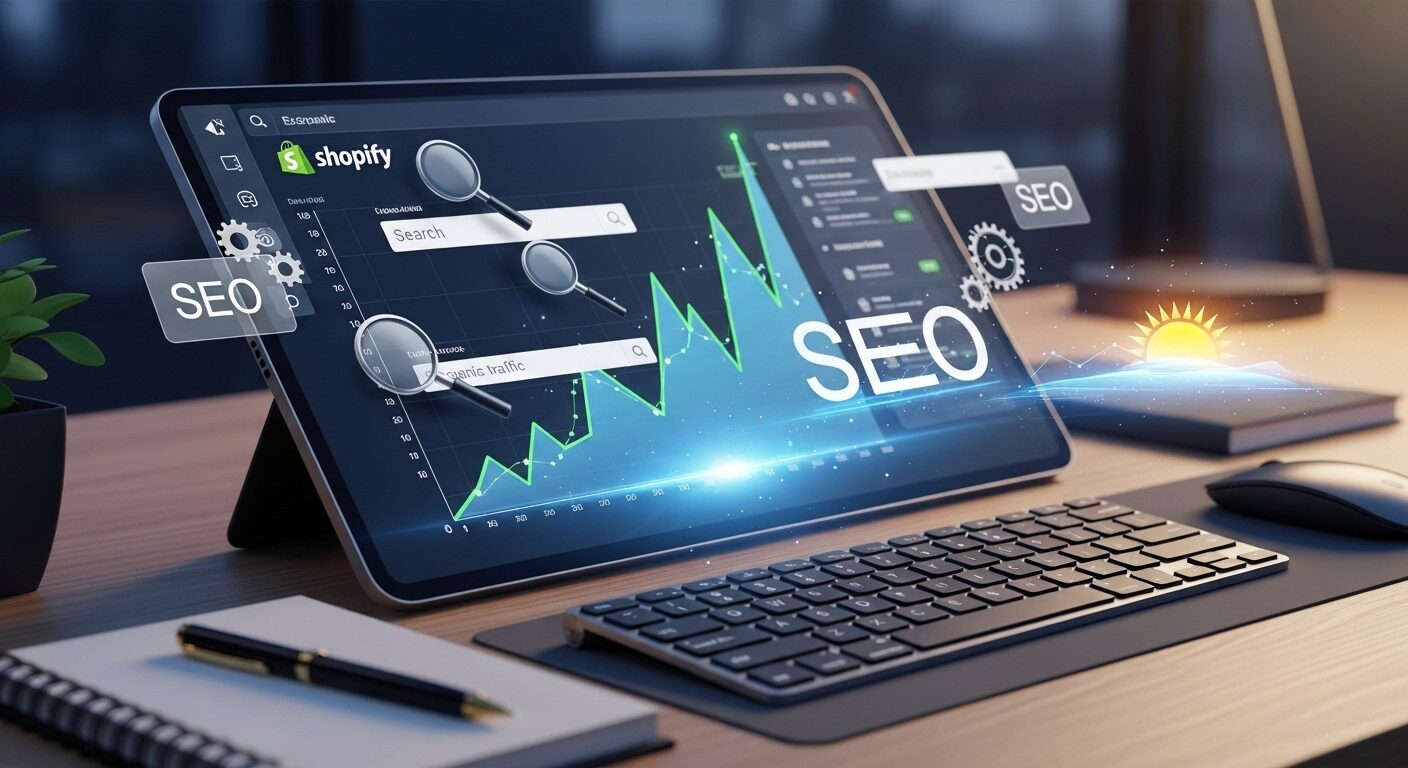
Shopify SEO: Boost Your Store’s Organic Traffic Now
In today’s highly competitive e-commerce landscape, simply having an online store is not enough. To truly succeed, your products need to be discoverable by potential customers. This is precisely where Shopify SEO comes into play. Search Engine Optimization (SEO) for your Shopify store is the process of optimizing your site to rank higher in search engine results, thereby attracting more organic traffic. Ultimately, this translates into increased visibility, more clicks, and higher sales.
Many store owners focus heavily on paid advertising, however, ignoring organic search is a significant oversight. Organic traffic is often more sustainable, cost-effective, and builds long-term brand authority. Therefore, understanding and implementing effective Shopify SEO strategies is paramount for any aspiring or established e-commerce business.
Understanding Shopify SEO: Why It Matters
The Basics of Search Engine Optimization
Search Engine Optimization (SEO) involves a set of practices designed to improve a website’s visibility on search engine results pages (SERPs). When someone searches for a product or service, search engines like Google use complex algorithms to determine which websites are most relevant and authoritative. Consequently, a well-optimized site is more likely to appear higher in these results, capturing more attention.
SEO encompasses various elements, including keyword research, on-page optimization (optimizing content and HTML source code), technical SEO (site speed, mobile-friendliness), and off-page SEO (backlinks, social signals). Each component plays a vital role in signaling to search engines that your Shopify store offers valuable, relevant content to users.
Shopify’s Built-in SEO Features
Shopify is renowned for its user-friendliness, and it does come equipped with several built-in SEO features to help you get started. For instance, it automatically generates a sitemap.xml file, which helps search engines crawl your site more efficiently. Furthermore, Shopify allows you to customize product, collection, and page URLs, meta titles, and meta descriptions directly within the admin panel. This makes basic on-page optimization straightforward.
However, while these features provide a solid foundation, they are merely a starting point. Relying solely on Shopify’s default settings will not be enough to outrank competitors. Therefore, active and strategic optimization is crucial for maximizing your store’s organic potential. You must proactively implement advanced Shopify SEO tactics to truly stand out.
Key Pillars of Effective Shopify SEO Strategy
Keyword Research for Shopify Stores
Effective keyword research is the cornerstone of any successful SEO strategy. It involves identifying the words and phrases your target audience uses when searching for products or information online. Without understanding these keywords, you risk optimizing your site for terms that no one is searching for, or for terms that are too competitive to rank for.
#### Long-tail Keywords: A Strategic Advantage
While broad keywords might seem appealing, they are often highly competitive. Instead, focus on long-tail keywords, which are more specific phrases typically consisting of three or more words. For example, instead of
Conclusion
Mastering Shopify SEO is not a one-time task; instead, it is an ongoing process that demands continuous effort and adaptation. By diligently implementing the strategies outlined above – from robust keyword research and meticulous on-page optimization to technical fine-tuning and strategic off-page efforts – you can significantly enhance your store’s visibility. Ultimately, this comprehensive approach to Shopify SEO will drive more qualified organic traffic, convert visitors into loyal customers, and secure your long-term success in the competitive e-commerce landscape. Therefore, invest in your SEO, monitor your performance, and watch your Shopify store thrive.
If you Want any Guide Visit our Contact page or contact us on Whatsapp.
Frequently Asked Questions (FAQ)
Q: How long does it take to see results from Shopify SEO?
A: Seeing significant results from Shopify SEO typically takes time, often ranging from 3 to 6 months, or even longer for highly competitive niches. Initially, search engines need to crawl and index your changes. Factors like your niche’s competition, your store’s age, and the consistency of your SEO efforts all influence the timeline. Patience and consistent application of best practices are crucial for long-term success.
Q: Do I need a Shopify SEO app, or can I do it manually?
A: While Shopify provides excellent built-in SEO features, and many optimizations can be done manually, a dedicated Shopify SEO app can significantly streamline and enhance your efforts. These apps often offer advanced features like structured data implementation, broken link detection, image optimization, and comprehensive SEO audits. Therefore, using an app can be highly beneficial, especially if you’re not an SEO expert or want to save time.
Q: Is content marketing important for Shopify SEO?
A: Absolutely. Content marketing is incredibly important for Shopify SEO. Creating valuable, relevant blog posts, guides, and articles not only helps you target a wider range of keywords but also positions your store as an authority in your niche. Furthermore, high-quality content attracts backlinks, encourages social sharing, and provides internal linking opportunities, all of which contribute positively to your search engine rankings and overall organic traffic.


